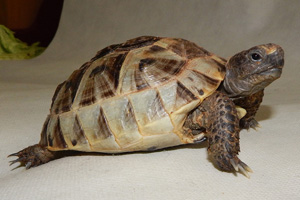
Distribution. The Greek or spur-thighed tortoise (Testudo graeca) occurs in parts of southern Europe, North Africa and the Middle East. It inhabits a range of dry grasslands, scrubland and other open habitats.
Appearance. Depending on the subspecies and origin, females can grow to around 30 cm or more. Shell colour varies widely from pale yellowish tones to darker brown and black markings. The species is known for the small spurs on its thighs. Males generally have longer tails and a more concave plastron.
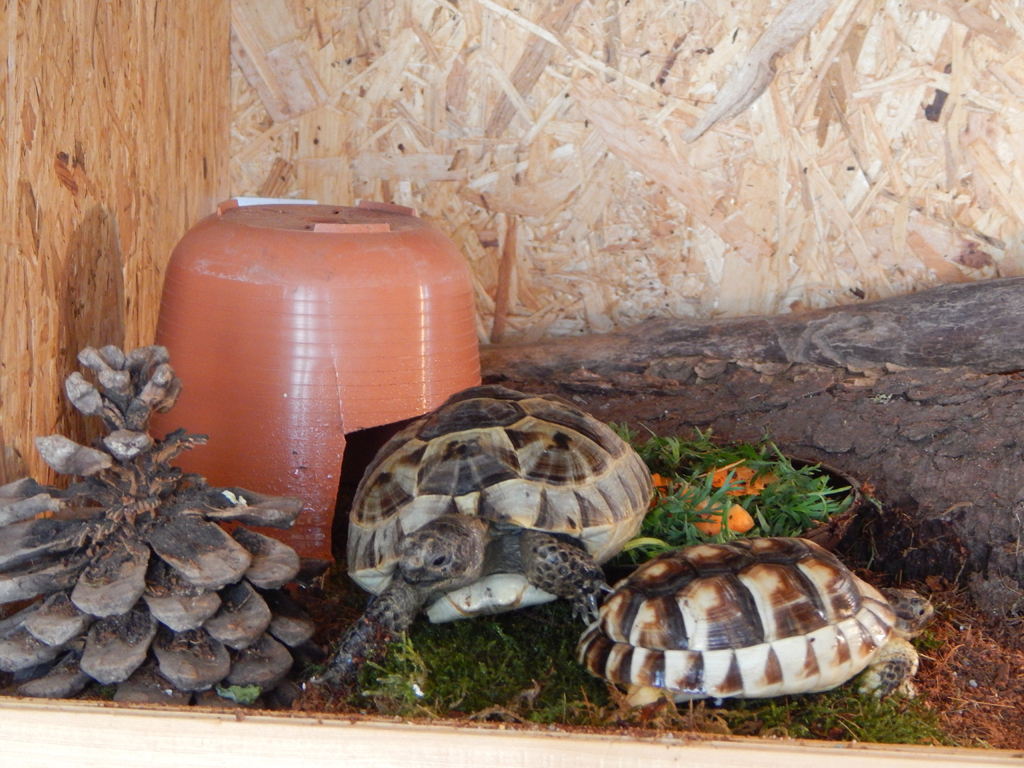
Housing. This tortoise needs plenty of space, warmth, UVB light and appropriate shelter. An outdoor enclosure can work in warm weather, while cooler periods may require a well-equipped indoor space. Avoid keeping a tortoise loose on a cold indoor floor.
Breeding. In the right conditions, males may become more active during the breeding season. Females need suitable places to lay eggs; incubation conditions must be managed carefully and depend on the population or subspecies.
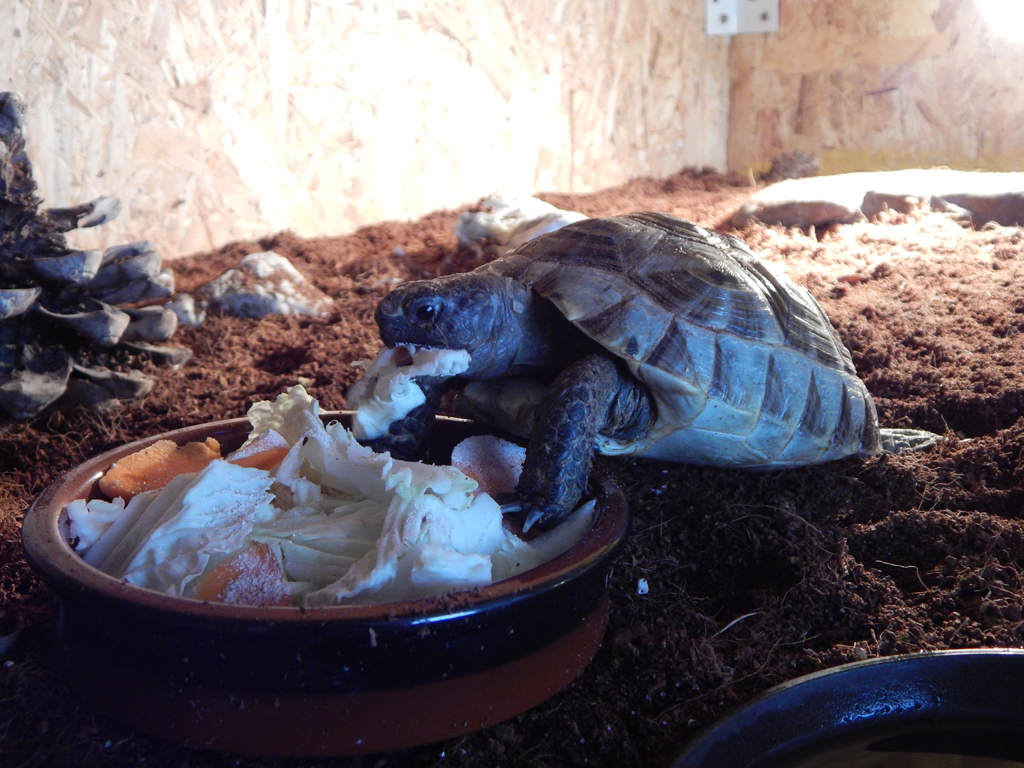
Diet and care. Offer diverse suitable wild plants, fresh water and calcium. Because Greek tortoises have different regional forms with different needs, seek specific husbandry guidance and veterinary advice about seasonal dormancy.
Every tortoise is unique. If you suspect illness or a problem with winter dormancy, consult a veterinarian experienced with reptiles.